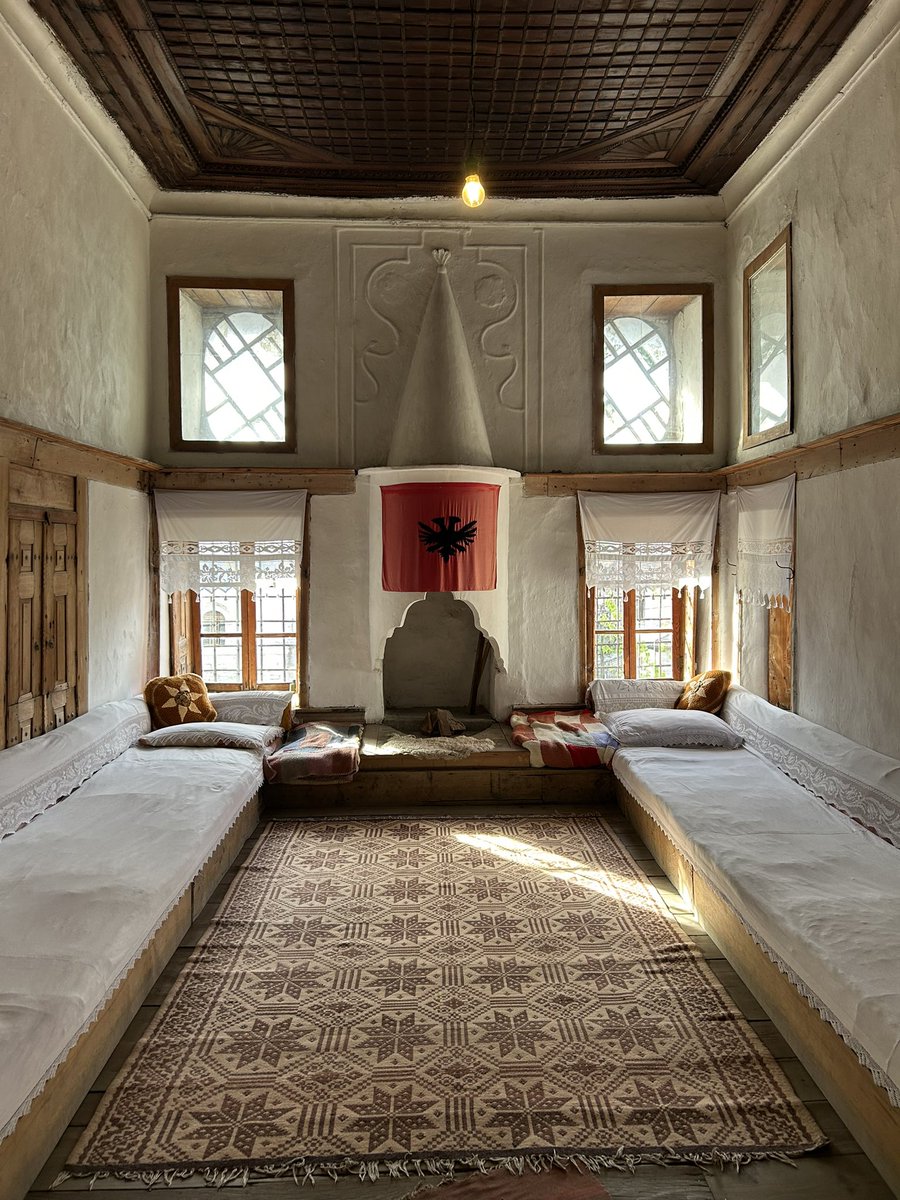
Skenduli House
5 min walk
This preserved Ottoman-style home offers a deeper look into local history, complementing the architectural context of the fortress.
Visitors planning the route between the Albanian Riviera and the UNESCO stone city often ask whether petty crime, road conditions, or language barriers pose real risks. The answer hinges on which neighborhoods you walk through, what time you arrive, and how you handle your belongings in crowded spaces.
Quick answer
Saranda and Gjirokastër both register low violent-crime rates, with police maintaining visible patrols around the castle district and waterfront promenades. Pickpocketing occurs in tourist-dense areas during summer months, and unlicensed taxis at bus terminals occasionally overcharge foreign visitors. Road safety between the two cities requires daylight travel on the SH4 highway, where narrow curves and occasional livestock crossings demand cautious driving.
Albania's southern corridor records fewer than twelve reported violent incidents per 100,000 residents annually, placing Gjirokastër and Saranda below the European Union average for comparable heritage cities. The stone-paved lanes beneath the fortress see uniformed officers every two hours during daytime visitor windows, and municipal CCTV covers the main bazaar square and the approaches to the citadel entrance at 400 ALL per person. Petty theft concentrates in three predictable zones: the open-air market northwest of the old town between 11:00 and 14:00, the beachfront café strip in Saranda after sunset, and the SH4 rest stops where tour buses pause for photo opportunities. Visitors who secure valuables in interior pockets and decline unsolicited transport offers encounter minimal risk. The Albanian state police operate a dedicated tourist assistance line at +35584269001, staffed in English and Italian from 09:00 to 19:00 daily. Road conditions between the Ionian coast and the mountainous interior improve each construction season, yet the 50-kilometer stretch involves twenty-three hairpin turns and sporadic shoulder-width variation. Local drivers navigate these curves at speeds that surprise international visitors accustomed to wider European highways. Daylight travel eliminates the hazard of unlit livestock and reduces the chance of encountering fatigued inter-city freight traffic. The question of whether Saranda Albania is safe ultimately reflects preparation rather than inherent danger: the region welcomes over 180,000 visitors annually without systemic safety failures. Health infrastructure includes a public clinic in Gjirokastër's lower town and a seasonal Red Cross post in Saranda's port district, both equipped for minor injuries and heat-related incidents. Tap water meets Albanian potable standards, though bottled alternatives cost under 100 lek at neighborhood markets. Travel insurance covering emergency evacuation remains advisable for visitors engaging in backcountry hiking near the Drino Valley or the Blue Eye spring, where mobile coverage drops intermittently and response times extend beyond urban norms.
“The region welcomes over 180,000 visitors annually without systemic safety failures.”
Gjirokastër Fortress maintains consistent daily operations throughout the week, providing a reliable schedule for visitors traveling from Saranda.
Gjirokastër is located approximately 55 kilometers inland from Saranda. The most reliable way to travel between these two points is by using the SH4 national road, which connects the coast to the interior.
Saranda to Gjirokastër via SH4
Drive via SH4 and E853
Private transfer via SH4
For the most efficient access to the Gjirokastër Fortress at the Address: Gjirokastër Fortress, Gjirokastër, Albania, plan your travel to align with the recommended window of 09:00–10:30 to bypass peak congestion.
Integrating additional stops within Gjirokastër enhances your day trip from Saranda, as these locations are concentrated within the historic center. Exploring these points alongside the fortress creates a cohesive itinerary focused on the region's Ottoman-era architecture and cultural heritage.
5 min walk
This preserved Ottoman-style home offers a deeper look into local history, complementing the architectural context of the fortress.
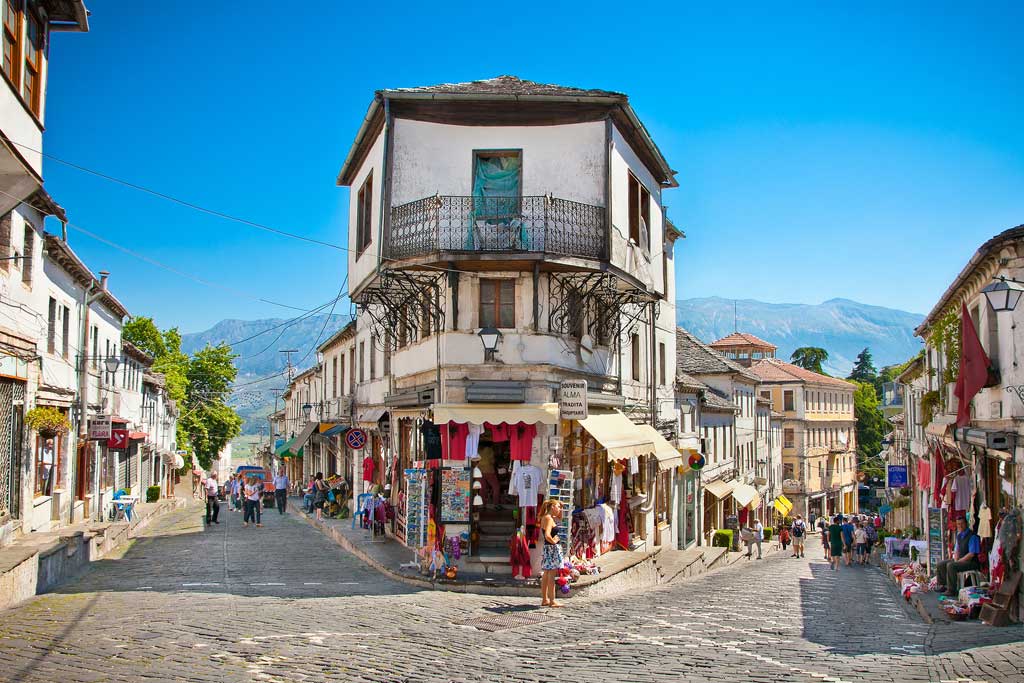
3 min walk
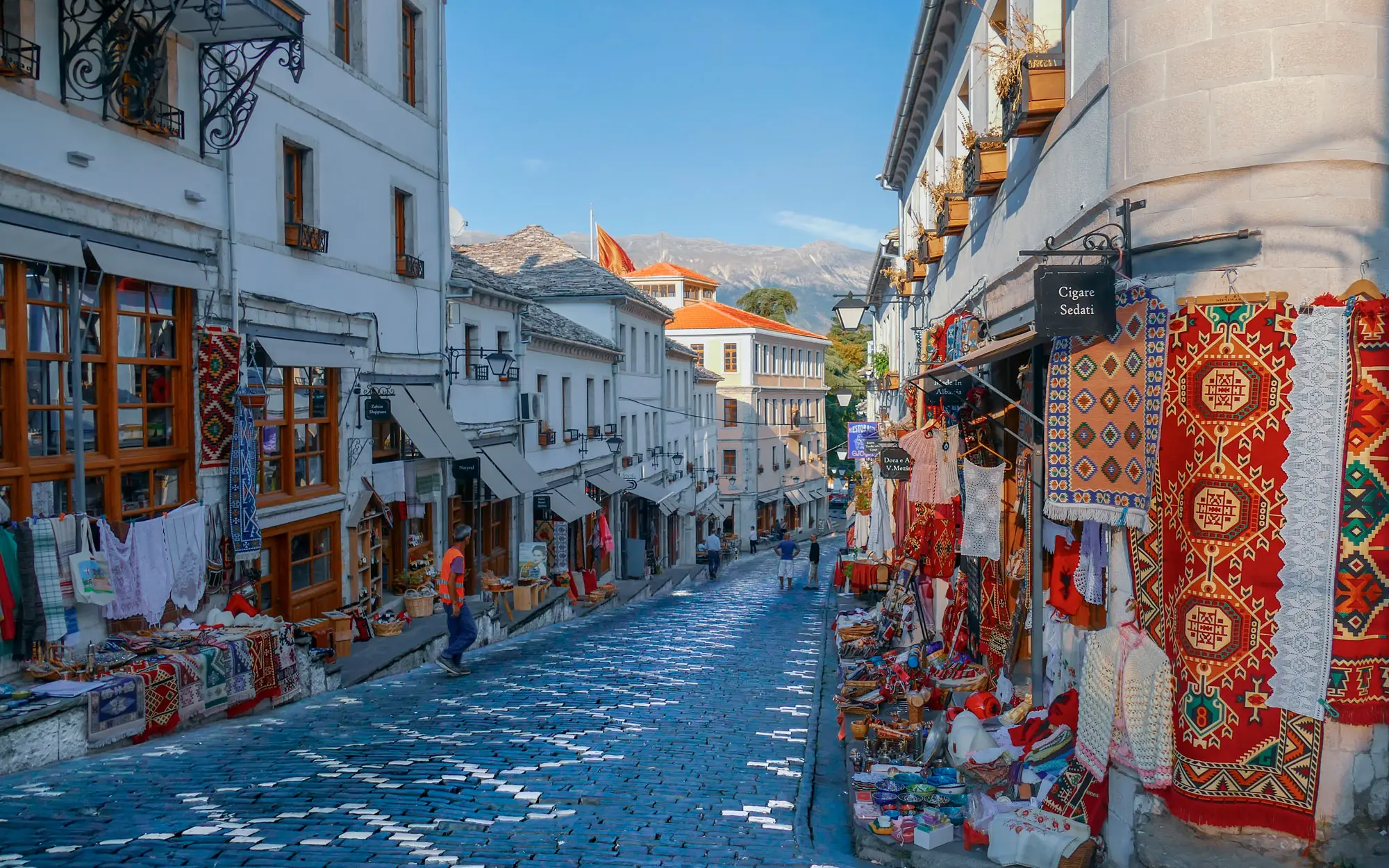
The bazaar serves as the city's central hub, ideal for transitioning from the fortress to local dining or artisan workshops.
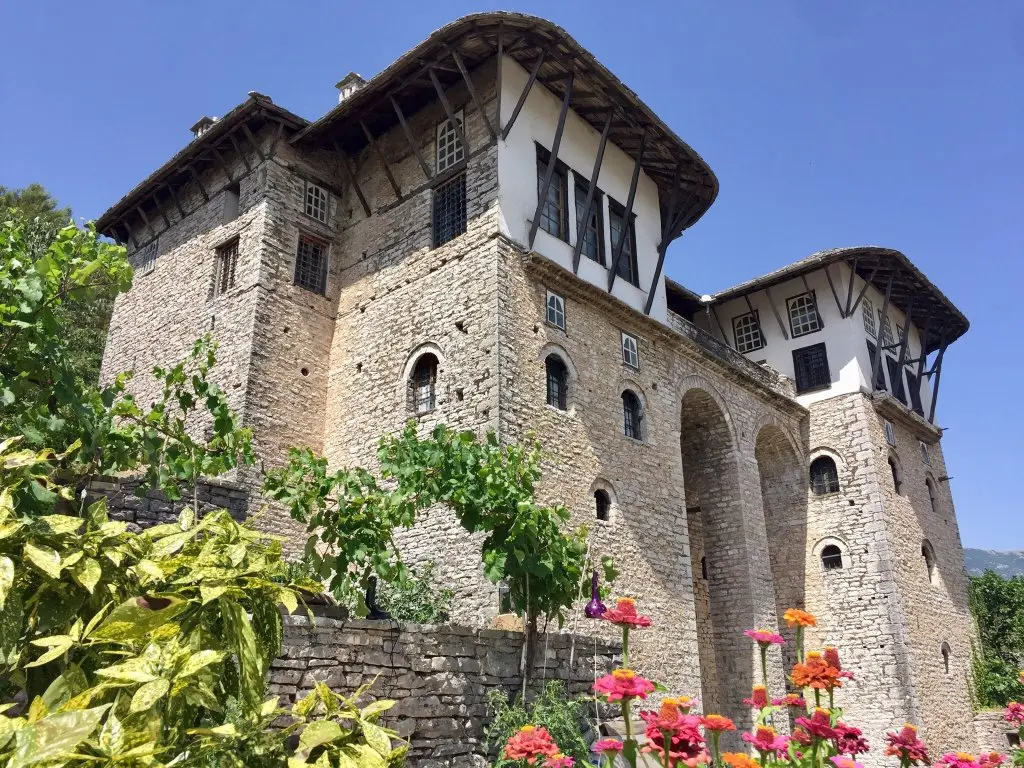
12 min walk
As one of the oldest and grandest examples of fortified tower houses, it provides historical continuity to your visit.
Everything you need to know about is saranda albania safe
Travelers frequently ask is saranda albania safe, and the region is generally considered welcoming for tourists exploring nearby landmarks like Gjirokastër. Visitors typically experience a peaceful environment while moving between these coastal and inland destinations. Most travel advisories indicate that crime rates against visitors remain very low in this part of Albania.
When considering is saranda albania safe, visitors often find the atmosphere in both cities to be quite similar in terms of overall public security. Both locations are popular hubs for cultural tourism, characterized by active, pedestrian-friendly streets. You will find that local residents are accustomed to international guests throughout the summer months.
Driving on the route to this UNESCO heritage site is common and generally considered safe, provided travelers remain cautious on winding mountain roads. Confirming is saranda albania safe for your rental agency’s insurance coverage is a practical step before departing. Sticking to primary roads ensures a reliable journey between the coast and the inland valleys.
Exploring the stone city solo is very popular, as is saranda albania safe for individual travelers seeking to discover ottoman architecture independently. Most public areas are well-lit and populated, allowing for a comfortable experience while walking through the historic bazaar. Always keep your belongings secure in crowded spaces as you would in any popular destination.
Maintaining a secure experience involves standard travel precautions, such as keeping valuables in a safe and being aware of your surroundings. Researching the local customs helps you navigate the region with confidence and respect. Planning your transit in advance will help you maintain a smooth and worry-free itinerary.
The fortress remains a secure site for visitors, provided you adhere to the posted guidelines and remain on designated pathways. Following the advised arrival window of 09:00–10:30 helps you enjoy the massive stone fortifications and castle ruins while avoiding the largest crowds. Local staff manage the grounds to ensure the space is maintained for all guests.